Joint replacement surgery has become a transformative procedure for seniors dealing with severe arthritis, joint degeneration, or trauma-related injuries.
With advancements in orthopedic care, seniors can regain mobility, reduce pain, and improve quality of life significantly.
However, the success of the surgery doesn’t stop at the operating table; effective recovery strategies are equally important.
Consulting a qualified Orthopedic Doctor in Mehdipatnam, Hyderabad ensures a personalized recovery plan that addresses individual needs, promoting a faster and safer rehabilitation process.
-
Dr. Om Prakash Agrawal, one of the most respected joint replacement experts in Hyderabad, emphasizes that post-operative care is critical for optimizing outcomes and preventing complications.
Patients seeking guidance can rely on his expertise as the Best Orthopaedic Doctor in Shaikpet, Hyderabad to navigate the recovery journey safely and confidently.
Understanding Joint Replacement in Seniors
Joint replacement surgery, commonly performed on the hip, knee, or shoulder, involves replacing a damaged joint with a prosthetic implant. Seniors often undergo these procedures due to:
- Osteoarthritis leading to severe joint pain and stiffness
- Rheumatoid arthritis causing joint inflammation and deformity
- Fractures or trauma resulting in damaged joints
- Degenerative conditions impacting mobility
While modern surgical techniques and prosthetic designs have made the procedure safer, recovery still requires careful planning, adherence to medical advice, and gradual physical rehabilitation.
Immediate Post-Surgery Care
The first few days following joint replacement surgery are crucial. Seniors should focus on:
1. Pain Management
Medications prescribed by the Orthopedic Surgeon in Shaikpet, Hyderabad help control post-operative pain, allowing patients to engage in gentle movement and exercises.
2. Wound Care
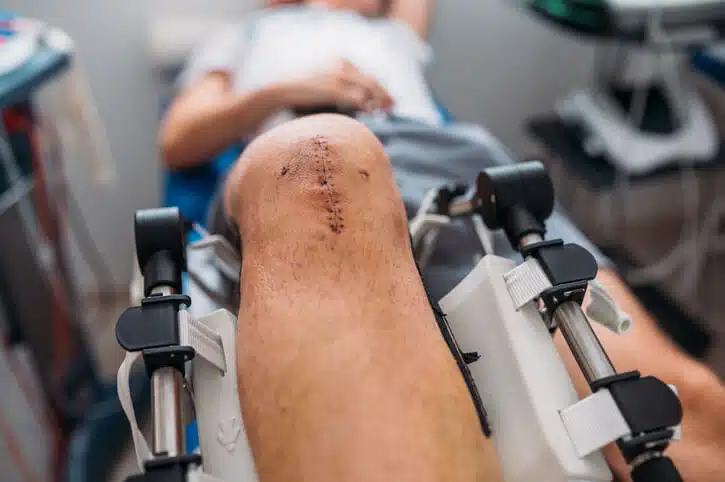
Proper cleaning and monitoring of the surgical site reduce the risk of infection. Dressings should be changed as advised, and any unusual swelling or redness should be reported immediately.
3. Mobility Assistance
Use of walkers, crutches, or canes is often recommended to avoid putting excessive stress on the new joint. Early, assisted movement is critical for preventing stiffness and promoting circulation.
4. Monitoring for Complications
Watch for signs of infection, deep vein thrombosis (DVT), or unusual pain, which may require immediate medical attention.
Physical Therapy and Rehabilitation
Physical therapy is the cornerstone of joint replacement recovery. A structured exercise regimen helps restore strength, flexibility, and mobility. Key recommendations include:
- Gentle Range-of-Motion Exercises – Initiated under supervision, these exercises prevent stiffness and maintain joint flexibility.
- Strengthening Muscles Around the Joint – Targeted exercises for surrounding muscles improve stability and reduce stress on the prosthetic joint.
- Balance and Coordination Training – Helps seniors regain confidence in walking and reduces the risk of falls.
- Gradual Increase in Activity Start with short, assisted walks and gradually increase duration and intensity as advised by your Best Orthopaedic Doctor in Langar House, Hyderabad.
Pain and Swelling Management
Even after the initial post-operative period, mild pain and swelling are common. Seniors can manage these symptoms through:
- Cold Therapy – Applying ice packs intermittently to reduce swelling and discomfort.
- Elevation – Keeping the affected limb elevated to improve circulation and minimize swelling.
- Pain Medications – Taking prescribed analgesics and anti-inflammatory medications as directed.
- Compression – Use of compression stockings for lower-limb joint replacements to reduce fluid retention and prevent DVT.
Nutrition and Lifestyle Considerations
Proper nutrition plays a significant role in healing and overall recovery:
- Protein-Rich Diet – Supports tissue repair and muscle strengthening.
- Calcium and Vitamin D – Crucial for bone health and prosthetic stability.
- Hydration – Adequate fluid intake aids circulation and overall recovery.
- Avoiding Smoking and Alcohol – Both can impair healing and increase complication risks.
Long-Term Recovery and Lifestyle Adjustments
Full recovery after joint replacement can take several weeks to months, depending on the patient’s age, health, and type of surgery. Seniors should focus on:
- Regular Follow-Up Visits – Scheduled consultations with the Orthopedic Surgeon in Shaikpet, Hyderabad ensure proper monitoring of the joint, early detection of issues, and timely adjustments to rehabilitation plans.
- Gradual Return to Daily Activities – Avoid sudden, strenuous movements. Start with light household tasks and gradually return to normal routines.
- Low-Impact Exercise – Swimming, cycling, and walking promote cardiovascular health without stressing the joint.
- Fall Prevention – Use of non-slip footwear, grab bars in bathrooms, and clear pathways at home reduce the risk of falls.
Psychological and Emotional Support
Recovery from joint replacement surgery is not only physical but also mental. Seniors often experience anxiety or depression due to limited mobility. Support strategies include:
- Counseling or Support Groups – Sharing experiences with others who have undergone joint replacement can boost morale and provide practical tips.
- Family Involvement – Active participation of family members in care and rehabilitation encourages adherence to recovery plans.
- Mindfulness and Relaxation Techniques – Meditation and deep-breathing exercises help manage pain and stress.
Why Choose Expert Care in Shaikpet
Seniors undergoing joint replacement benefit significantly from expert guidance. Consulting the Best Orthopaedic Doctor in Shaikpet, Hyderabad ensures:
- Accurate assessment and planning before and after surgery
- Personalized rehabilitation strategies tailored to age, mobility, and health status
- Access to advanced surgical techniques and prosthetic options
- Comprehensive care addressing both physical and emotional well-being
Dr. Om Prakash Agrawal, with over 30 years of experience and thousands of joint replacements performed annually, exemplifies this holistic approach. His expertise ensures that seniors receive the best possible outcomes while regaining independence and mobility.
Conclusion
Joint replacement surgery can dramatically improve the quality of life for seniors, but the journey doesn’t end with the operation.
Proper post-operative care, guided physical therapy, lifestyle adjustments, and ongoing support are essential for a successful recovery.
Seniors in Hyderabad seeking reliable guidance can consult a Medical Orthopedic Surgeon in Shaikpet, Hyderabad for personalized care.
By following expert advice, adhering to rehabilitation programs, and adopting healthy lifestyle practices, seniors can enjoy pain-free movement, restored independence, and a significantly improved quality of life.
With the guidance of the Best Orthopaedic Doctor in Masab Tank, Hyderabad, joint replacement recovery becomes a structured, safe, and empowering journey for every senior patient.