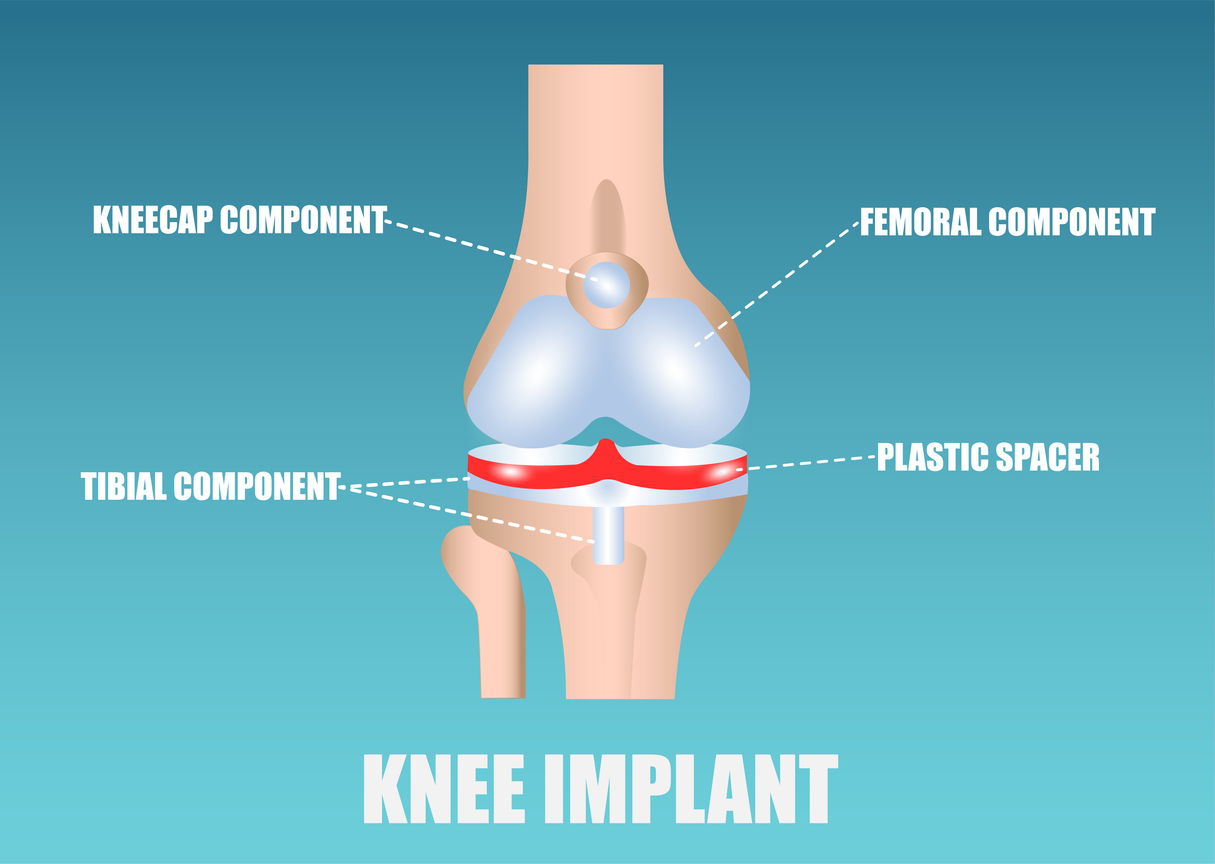
If you have been advised to undergo joint replacement surgery—whether for the knee, hip, or shoulder—one of the first things you may hear about is “implant materials.”
Many patients feel overwhelmed when doctors mention metal alloys, ceramic heads, and medical-grade plastics.
As the Best Orthopaedic Doctor in Old City Hyderabad, I meet patients every day who ask, “Which implant is best for me?” This blog explains implant materials in the simplest way possible so you can make confident, informed decisions about your joint hea.
It can affect people of all ages and, if left untreated, can significantly impair one’s quality of life.
Dr. Om Prakash Agrawal, a leading Orthopedic Surgeon in Shaikpet, Hyderabad,with over three decades of experience and more than 4,000 joint replacement surgeries annually, shares crucial insights into the different types of arthritis and how they impact joint health.
-
Why Implant Materials Matter
Choosing the right implant isn’t just about “metal vs ceramic.” It is about matching:
- Your age
- Your activity level
- Bone quality
- Lifestyle needs
- Medical conditions
- The type of joint being replaced
Different materials behave differently inside the body. Some are extremely durable, others offer smoother movement, and some are uniquely suited for younger, highly active individuals.
Deciding which one fits you best is something your surgeon will guide you through. When you consult the Best Orthopaedic Doctor in Manikonda, Hyderabad, you can expect clarity, transparency, and individualized choices based on your unique health condition
1. Metal Implants: Strong, Reliable, and Time-Tested
What Are Metal Implants Made Of?
The metals used in joint replacement are not ordinary steel or household metals. They are highly refined, medical-grade materials such as:
Impact on Joint Health:
- Titanium
- Cobalt-Chromium Alloys
- Stainless Steel(rarely used today)
Where Are They Used?
Metal implants are most commonly used in:
- Knee replacements
- Hip replacements.
- Shoulder replacements
- Trauma surgeries (plates, screws, rods)
Why Choose Metal?
Strength:Ideal for patients with high activity levels
Durability:Can last 15–25 years or more
Biocompatibility: Safe for most people
Versatile: Works well with plastic and ceramic combinations
Impact on Joint Health:
- Leads to joint stiffness and inflammation.
- Can cause enthesitis (pain at the tendon-bone junction).
- If untreated, may result in permanent joint damage.
Dr. Agrawal notes that psoriatic arthritis often goes undiagnosed due to the assumption that symptoms are skin-related. A detailed clinical evaluation is essential.
4. Gout – The Crystal Culprit
Gout is caused by an accumulation of uric acid crystals in the joint, commonly affecting the big toe. It often presents as sudden, severe attacks of pain and swelling.
Impact on Joint Health:
- Can cause recurrent flares leading to joint erosion.
- Long-standing gout may result in tophi (crystal deposits) around joints.
- Diet, lifestyle, and medications play a vital role in its management.
As a seasoned Orthopedic Surgeon in Shaikpet, Hyderabad, Dr. Agrawal has successfully treated patients with chronic gout who developed joint destruction requiring reconstructive procedures.
5. Juvenile Arthritis (JA) – Childhood Onset
Juvenile arthritis includes several autoimmune and inflammatory conditions affecting children under the age of 16.
Impact on Joint Health:
- Causes joint pain, swelling, and growth disturbances.
- Can affect physical development and cause long-term disability if untreated.
- Requires a multidisciplinary approach involving pediatric orthopaedics.
Dr. Agrawal's expertise in paediatric orthopaedics allows him to guide young patients toward a better quality of life with early intervention.
6. Ankylosing Spondylitis (AS) – The Spine Specialist
AS primarily affects the spine and sacroiliac joints, causing inflammation that can lead to vertebral fusion and postural deformities.
Impact on Joint Health:
- Reduces spinal flexibility and can cause a stooped posture.
- May affect peripheral joints like hips and shoulders.
- Requires physical therapy, medications, and in advanced cases, spinal or hip surgery.
The Long-Term Impact of Arthritis on Joint Health
If arthritis is not diagnosed and managed promptly, it can lead to:
- Joint deformity
- Chronic pain and disability
- Reduced mobility
- Dependency on others for daily tasks
- Mental health challenges like depression and anxiety
Dr. Om Prakash Agrawal believes that arthritis is not just a joint issue - it’s a quality-of-life issue. His dedication to improving joint health has made him one of the most trusted names in orthopedic care in Shaikpet, Hyderabad.
Managing Arthritis: A Multi-Modal Approach
There is no one-size-fits-all treatment for arthritis. Based on the type and severity, treatment may include:
- Medications: Anti-inflammatories, pain relievers, DMARDs (for autoimmune arthritis)
- Physical therapy: To strengthen muscles and improve joint mobility
- Lifestyle changes: Weight management, healthy diet, exercise
- Surgical interventions: Arthroscopy, joint preservation techniques, or joint replacement
Dr. Agrawal performs thousands of joint replacement surgeries every year at Smt. Bhawan Devi Hospital and is known for achieving excellent outcomes even in complex arthritis cases.
Final Thoughts
Arthritis, in all its forms, can be debilitating - but with the right diagnosis and care, its impact on joint health can be minimized. From early-stage management to advanced surgical interventions, consulting an experienced specialist is key.
For anyone seeking expert guidance, Dr. Om Prakash Agrawal, the Best Orthopaedic Doctor in Shaikpet, Hyderabad, offers comprehensive, compassionate, and evidence-based care to help patients regain movement and live pain-free lives.
Need Help with Joint Pain or Arthritis?
Visit https://dromprakashortho.in to schedule a consultation with Dr. Om Prakash Agrawal - one of South India’s most respected names in orthopedic surgery and joint care.