Clubfoot (Congenital Talipes Equinovarus) is one of the most common congenital deformities affecting newborns, occurring in approximately one in every 1,000 live births.
Despite its alarming appearance, modern orthopaedic science offers excellent treatment outcomes — allowing children with clubfoot to lead active, pain-free, and normal lives.
As an orthopedic Surgeon in Old City , Hyderabad I’ve treated numerous children born with clubfoot deformities over the years.
Early diagnosis and timely management remain the cornerstone of successful outcomes. Let’s understand what clubfoot is, how it’s managed through casting and bracing, and when surgery becomes necessary.
Understanding Clubfoot
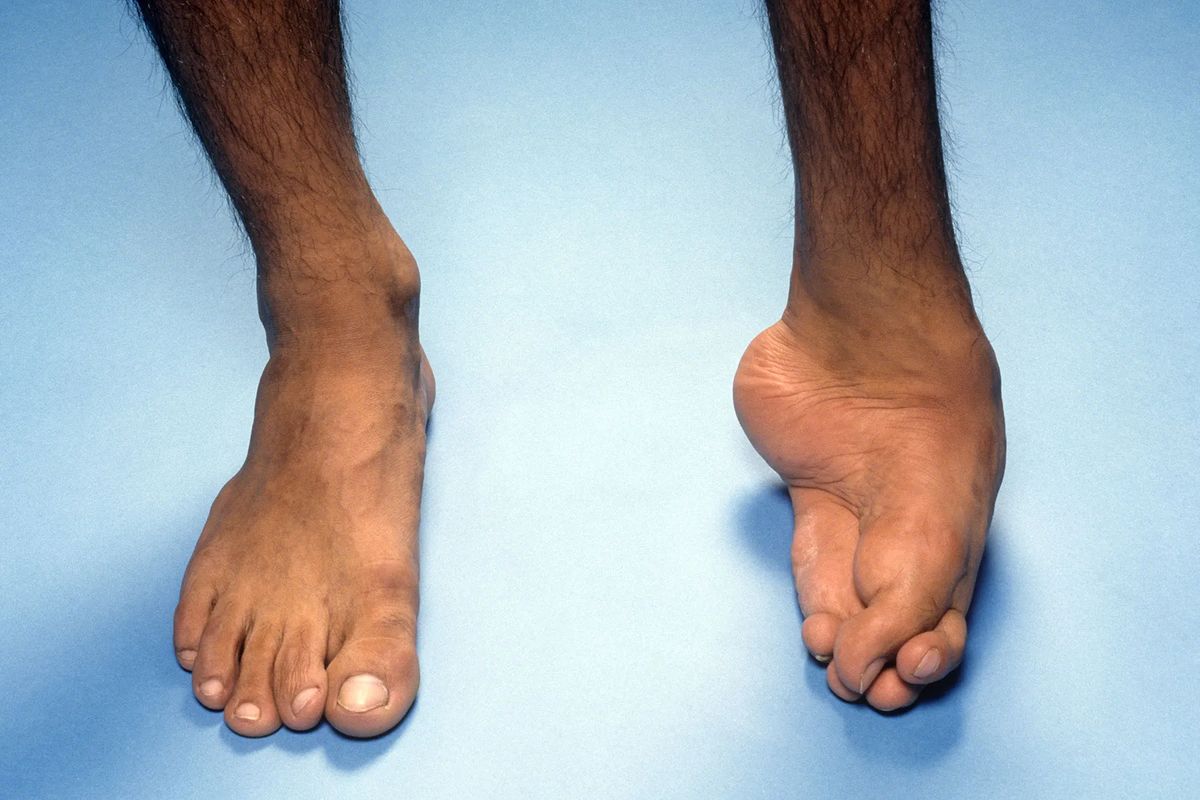
Clubfoot is a condition where a baby’s foot appears twisted or turned inward and downward at birth. The deformity involves multiple components — the foot is equinus (pointed downward), varus (turned inward), adducted (angled toward the midline) and cavus (high arch).
This deformity can affect one or both feet and is typically present at birth. The exact cause isn’t always known, though genetics and environmental factors may contribute. Sometimes, it occurs in association with neurological conditions like spina bifida, but most often, it’s idiopathic (occurring without a known cause).
If left untreated, clubfoot can lead to severe walking difficulties, pain, and disability later in life. Fortunately, with early medical intervention by an expert — such as the Best Orthopedic Doctor in Old City, Hyderabad, Dr. Om Prakash Agrawal — the prognosis is highly positive.
Goals of Clubfoot Treatment
The main goal of clubfoot management is to correct the deformity and achieve a functional, pain-free, plantigrade foot (a foot that rests flat on the ground). Achieving and maintaining correction is essential, as recurrence can occur during the growth years.
Modern treatment follows a stepwise approach:
1.Correction
Gradually aligning the bones, joints, and soft tissues into the correct position.
2. Maintenance
Preventing relapse through proper bracing and physiotherapy.
3. Surgery (if needed)
Addressing resistant or recurrent deformities that do not respond to conservative measures.
Stage 1: Casting – The Ponseti Method
The Ponseti Method is globally recognized as the gold standard for clubfoot management. It’s a non-surgical, minimally invasive approach that relies on gentle manipulation and serial casting to gradually correct the deformity.
1. Initial Manipulation and Weekly Casting
Treatment ideally begins within the first 1–2 weeks of life when the soft tissues are still flexible. During each session, the orthopaedic doctor gently manipulates the baby’s foot into a corrected position and applies a plaster cast to hold the correction in place.
Each week, the cast is removed, the foot is re-manipulated, and a new cast is applied. This process continues for about 5–8 weeks depending on the severity of the deformity.
2. Achilles Tenotomy (If Required)
In approximately 80–90% of cases, the final step involves a minor procedure called percutaneous Achilles tenotomy — a small cut in the Achilles tendon to release tightness and allow proper foot positioning.
This procedure is typically done under local anaesthesia and followed by one last cast for 3 weeks.
Dr. Om Prakash Agrawal, an Orthopedic Surgeon in Old City, Hyderabad, has extensive experience performing such delicate procedures, ensuring safety, precision, and long-term correction for infants with clubfoot.
Stage 2: Bracing – Maintaining the Correction
Once the foot is fully corrected through casting, the next crucial step is bracing to prevent recurrence.
The most widely used brace is the Dennis Browne splint — a bar with shoes attached at both ends. The corrected foot (or feet) are kept in an abducted and dorsiflexed position.
Bracing Schedule
- First 3 months: 23 hours per day (removed only for bathing).
- Next 3–4 years: Only during sleep and nap times (12–14 hours daily).
While bracing may seem challenging for parents, it’s a vital part of the treatment plan. Inconsistent brace use is the most common cause of recurrence.
The team at Smt. Bhawan Devi Hospital, led by the Best Orthopedic Doctor in Old City , Hyderabad provides continuous support and guidance to parents, ensuring they understand the importance of compliance and follow-up visits.
When Surgery Is Needed
Thanks to the Ponseti Method, over 90% of clubfoot cases can be corrected non-surgically. However, in certain situations, surgery becomes necessary:
- Soft-Tissue Release – To lengthen or release tight tendons and ligaments.
- Tendon Transfer Surgery – Rebalancing muscle forces around the foot.
- Bony Procedures (Osteotomies) Correcting bone alignment in older children or severe deformities.
- Triple Arthrodesis –Reserved for adolescents or adults with rigid, painful deformities.
1.Resistant or Recurrent Clubfoot
– When deformity persists despite adequate casting and bracing.
2.Neglected Clubfoot
– Older children who haven’t received treatment during infancy may need surgical correction.
3.Syndromic Clubfoot
– Cases associated with neuromuscular disorders often require combined surgical and rehabilitation strategies.
4.Relapse After Treatment
– Surgical intervention may be needed if the deformity returns due to poor compliance or growth-related changes.
Types of Surgical Procedures
Surgery is typically followed by a structured rehabilitation plan, physiotherapy, and sometimes, short-term bracing to maintain alignment.
At Smt. Bhawan Devi Hospital, Dr. Om Prakash Agrawal, the Best Orthopaedic Doctor in Manikonda ,Hyderabad performs such complex reconstructive surgeries using state-of-the-art equipment and evidence-based protocols.
His 30+ years of experience ensure that even the most complicated pediatric orthopedic cases are handled with exceptional expertise and care.
Post-Treatment Care and Long-Term Outlook
After successful correction — whether by casting, bracing, or surgery — continuous follow-up is essential to ensure the foot remains flexible and functional as the child grows.
Rehabilitation & Follow-Up Tips:
- Regular physiotherapy to maintain mobility and strength.
- Monitoring for signs of recurrence — such as foot turning inward again.
- Proper shoe wear after brace removal.
- Parental education on stretching and home care.
With consistent follow-up and adherence to bracing schedules, the long-term success rate of clubfoot treatment is excellent.
treatment is excellent. Most children can walk, run, and participate in all activities like their peers, with minimal or no limitation.
Why Choose Dr. Om Prakash Agrawal for Clubfoot Treatment in Hyderabad
For parents in and around Hyderabad seeking trusted care for congenital foot deformities, Dr. Om Prakash Agrawal stands as a pillar of experience and trust.
As one of the Best Orthopaedic Doctors in Toli Chowki, Hyderabad and the Best Orthopaedic Surgeon in Mehdipatnam, Hyderabad ,surgery and pediatric deformity correction. he brings over three decades of dedicated service in orthopedic
Key Highlights:
- 30+ years of clinical and surgical experience.
- Over 4,000 joint and pediatric orthopedic surgeries are performed each year.
- Expertise in advanced casting techniques, minimally invasive tendon procedures, and complex reconstructive surgeries
- CCompassionate, family-centered approach with emphasis on education and reassurance.
- Comprehensive facilities for orthopaedic care at Smt. Bhawan Devi Hospital, Old City, Hyderabad.
Dr. Om Prakash Agrawal, with over 30 years of experience and thousands of joint replacements performed annually, exemplifies this holistic approach. His expertise ensures that seniors receive the best possible outcomes while regaining independence and mobility.
Conclusion
Clubfoot may appear alarming to parents at first, but with the right treatment approach — starting early and adhering to every phase of correction and maintenance — it is a completely treatable and manageable condition.
Under the expert hands of the Best Orthopaedic Doctor in Masab Tank, Hyderabad, Dr. Om Prakash Agrawal, children can overcome congenital deformities and enjoy a lifetime of healthy movement and confidence.
If your child has been diagnosed with clubfoot or you suspect any abnormal foot positioning at birth, don’t delay. Early consultation is the key to success.
Book your appointment Today and give your child the gift of healthy, active feet.